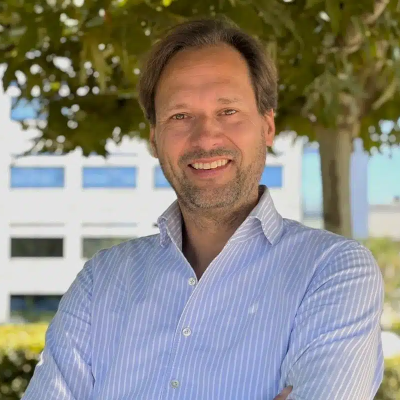
Robert Kool
Solution Architect EqeepRobert Kool is Solution Architect at Eqeep, an IFS Specialized Partner in the Benelux that has advised on, implemented and supported IFS since 2013. Robert works with asset-intensive organisations on what predictive maintenance requires from their data and processes, and helps their teams decide what AI may prepare, what it may carry out and where a person signs off. His focus is on making AI pay off in daily operations: in assets, service, planning and maintenance.
Monday, 26 October 2026
12:20 AI Advisory Lab: Proof of Concept Presentations
(10 min each)
Join this session to learn two tried and tested proof of concepts for AI that service leaders are executing with solution partners. You'll have an opportunity to select which service leaders and their solutions providers that you would like to meet with for a hands-on session in the afternoon.
Case Study 1: From Digital to Optimised: 17% More Efficient Routes at Scale Presented by Timefold
- Where your organisation stands on AI maturity, and what the next level asks of you
- What AI can already do in maintenance, from flagging exceptions to drafting work orders
- How to calculate the value of predictive maintenance using your own data
- How to decide what AI may prepare, what it may do and when a person signs off
Robert Kool, Solution Architect, Eqeep
Check out the incredible speaker line-up to see who will be joining Robert.
Download The Latest Agenda